Breed Guide

Best Breeds for Carriage Driving

From ancient native ponies to elegant Continental Warmbloods — the extraordinary diversity of breeds that excel in the harness world.

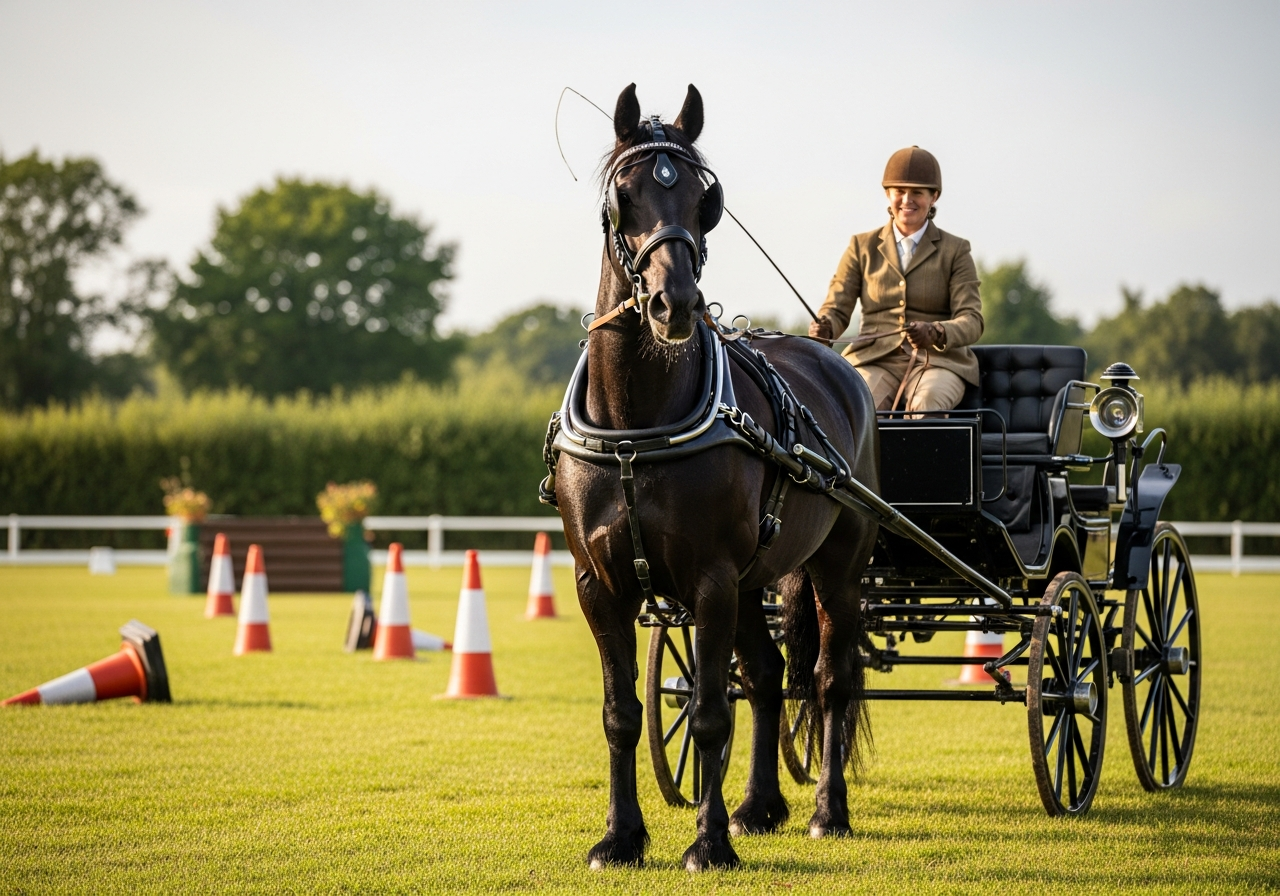
One of the great joys of carriage driving is the wonderful diversity of horses and ponies you encounter at shows and on country roads. Unlike some equestrian disciplines that have been captured by one or two dominant breeds, carriage driving welcomes everything from Shetland ponies (just 42 inches tall!) to imposing Warmbloods standing 17 hands, from ancient British native breeds to modern European sport horses.

The diversity exists because driving is physically and technically different from riding — different physical attributes matter, and the horse's mental qualities (steadiness, willingness, courage) often matter more than any particular physical attribute. This creates space for a much wider range of breeds than you might find in, say, Grand Prix dressage or top-level showjumping.

Horse temperament
The Golden Rule

Temperament Trumps Breed

Before exploring specific breeds, it is essential to understand the single most important principle in selecting a driving horse: temperament is the primary qualification, and no breed has a monopoly on good or bad temperament.

A nervous, spooky Warmblood will be more dangerous in harness than a calm, steady crossbred of no particular pedigree. An individual Welsh Cob with a difficult, reactive character will be less suitable than a steady, willing part-bred of similar size. Always assess the individual animal's mind before its breed or breeding.

That said, certain breeds do tend toward particular temperament characteristics — and understanding these tendencies helps you know where to look and what to expect. The breeds described below all have strong records in driving, but the individual horse you consider must still be evaluated on its own merits.
Eight Outstanding Driving Breeds

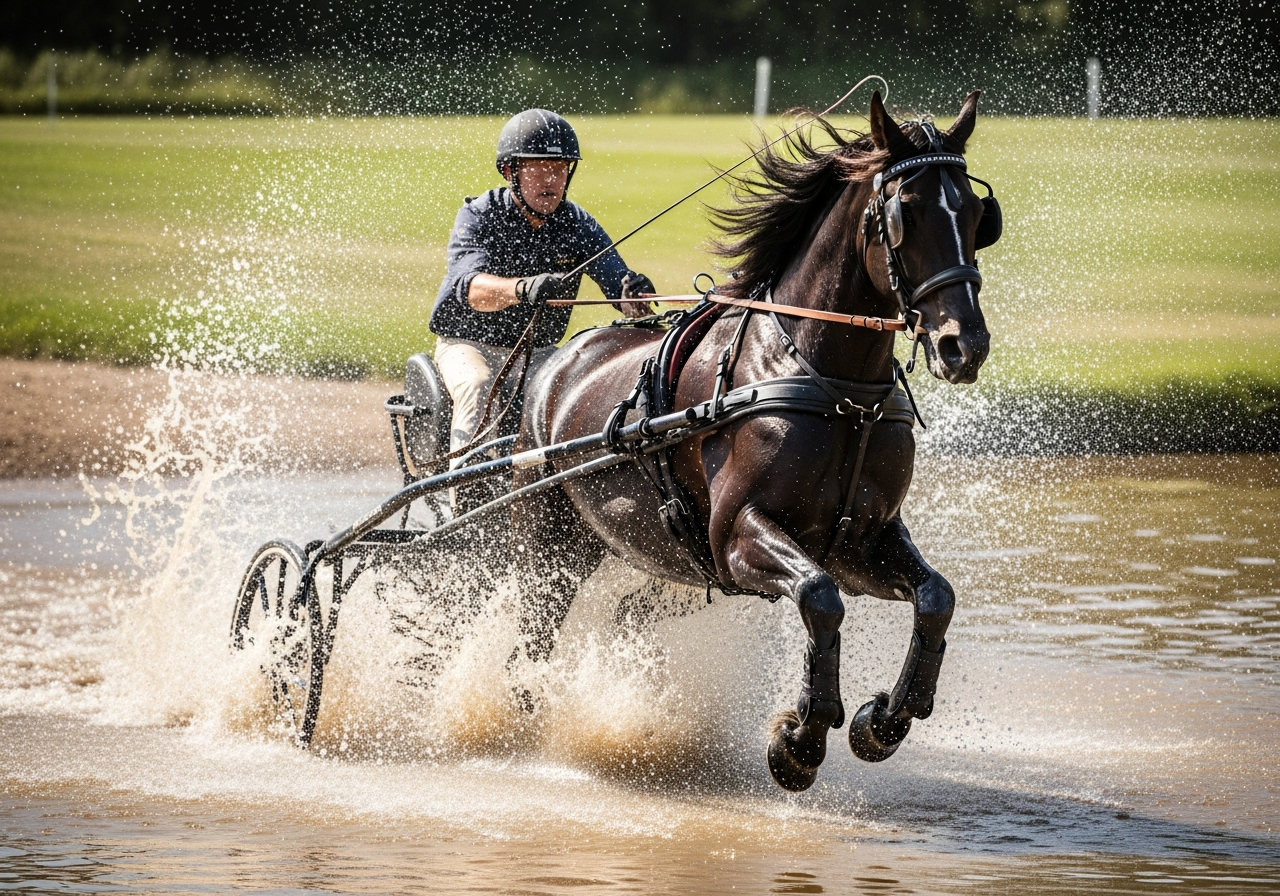
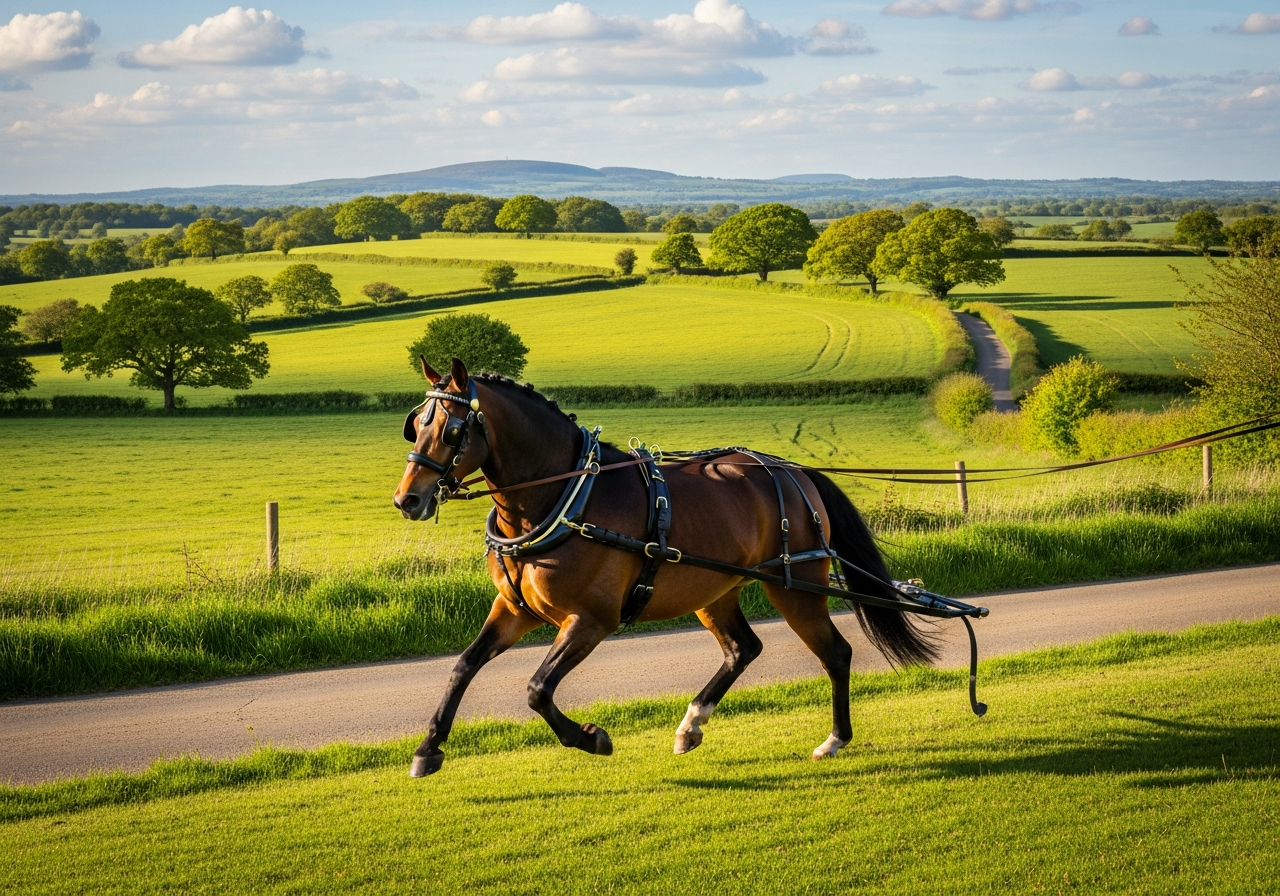
These breeds and types have collectively dominated carriage driving rings, marathon courses and country lanes across the United Kingdom for generations.

Welsh Cob Section D
Welsh Cob (Section D)
Wales — Native British Breed

The UK's most popular and beloved driving breed. The Welsh Cob combines spectacular, powerful movement with a kind, generous temperament — a rare combination at any price. Powerful hindquarters provide the engine for sustained work, excellent stamina carries them through demanding marathons, and their bold, curious character makes them equally at home in the dressage arena or on a quiet country lane. The Section D is the ideal all-rounder in British driving.

All Disciplines Singles Pairs Four-in-Hand
Hackney Horse
Hackney Horse & Pony
England — Historic Carriage Breed

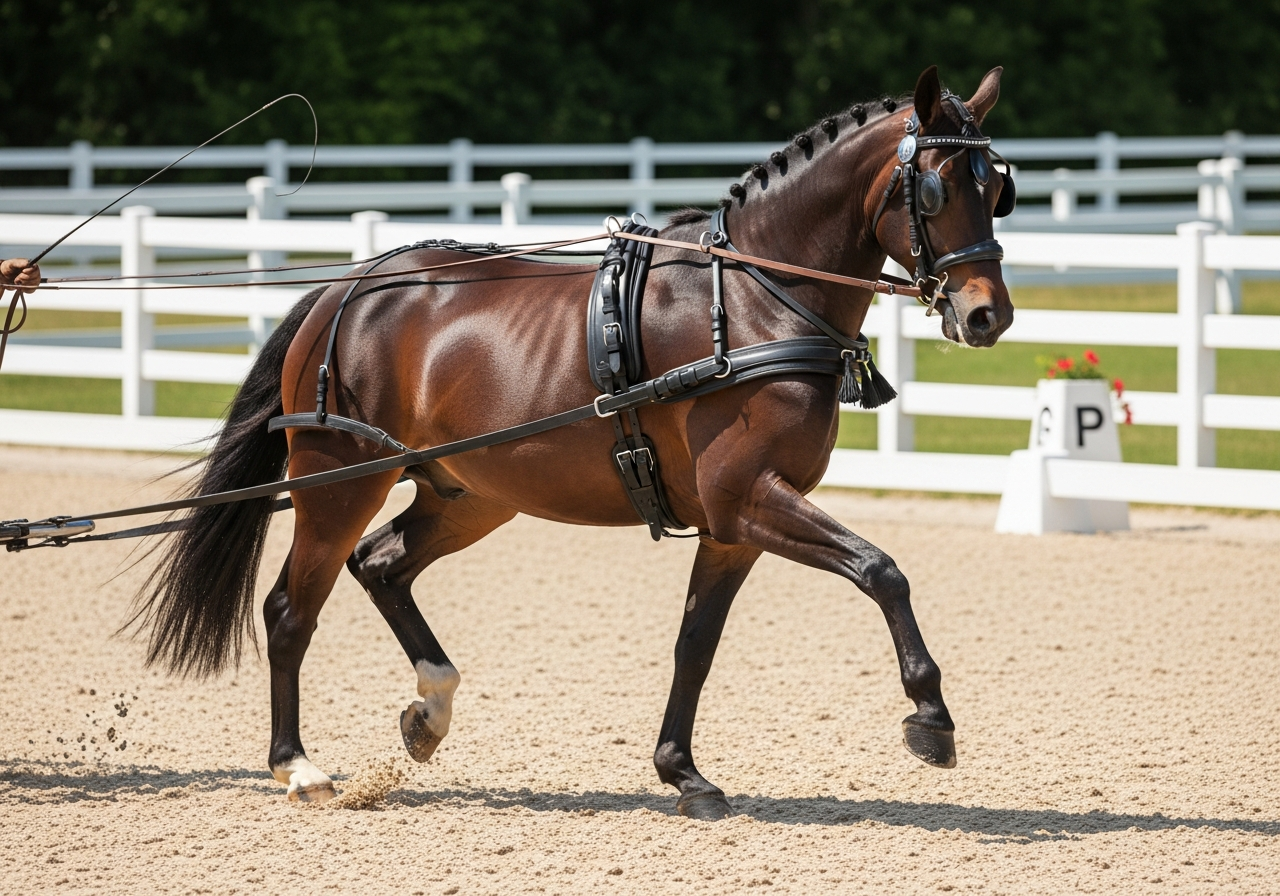
The Hackney was developed specifically for harness work in the eighteenth century and is arguably the purest of all driving breeds. The high-stepping, extravagant action — where knees and hocks are elevated dramatically at each stride — is one of the most spectacular sights in the show ring. Alert, animated and proud, Hackneys are natural performers. Requires an experienced handler and driver but rewards expertise with breathtaking turnout.

Show Driving Dressage Presentation
Dutch Warmblood
Dutch Warmblood (KWPN)
Netherlands — Sport Horse

Dutch and German Warmbloods have come to dominate international combined driving at the highest level. Their elastic, correct movement produces outstanding dressage scores; their athletic build and jumping ability — traces of their performance horse ancestry — make them naturally agile in hazards. More expensive to buy and keep than native breeds but the clear choice for drivers with international aspirations. The best Warmblood driving lines are now well-established in the UK.

International Dressage Four-in-Hand
Fell Pony
Fell Pony
Northern England — Native British Breed

One of Britain's most ancient and tough native breeds, the Fell Pony is extraordinary in harness. Bred for centuries to work across the rough fell country of Cumbria and Westmorland, Fells are hardy, sure-footed and possess an almost supernatural stamina across demanding terrain. Their marathon performances are legendary — they cover difficult ground with an efficiency that many larger breeds cannot match. Typically black, dark brown or grey, they present strikingly well with black harness.

Marathon Pleasure Native Classes
Shetland Pony
Shetland Pony
Scotland — Native British Breed

Don't be deceived by their small stature — Shetlands are one of the strongest equines relative to their size in the world. As driving ponies they are popular for junior classes and pairs, where matched pairs of Shetlands make a delightful and eye-catching combination. Feisty, clever and opinionated, they require a confident handler but reward good management with a character that is endlessly entertaining. Junior driving is a particularly popular entry point for children into the sport.

Junior Driving Pairs Showing
Cleveland Bay
Cleveland Bay
Yorkshire, England — Endangered Heritage Breed

England's oldest native horse breed and one of the most historically significant carriage breeds in the world. Cleveland Bays — always bay with black points — were the carriage horses of choice for the English nobility and are still used in the Royal Mews to this day. Now an endangered rare breed, with the Cleveland Bay Horse Society working hard to preserve them. Elegant, powerful and long-lived, they represent a living connection to Britain's carriage driving heritage.

Heritage Showing Rare Breed
Haflinger
Haflinger
Austria / South Tyrol — Mountain Breed

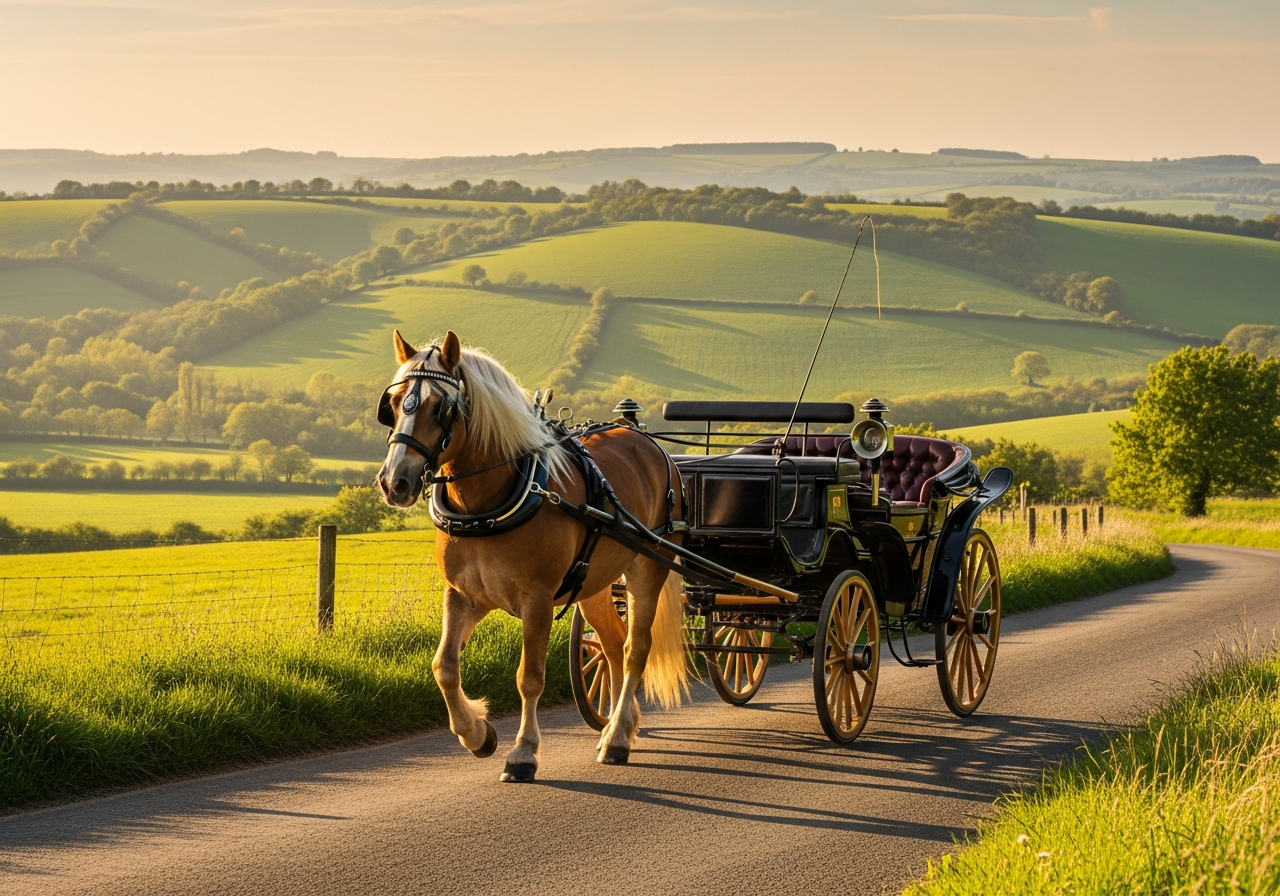
The beautiful golden chestnut Haflinger with its flaxen mane and tail is increasingly popular in UK driving circles. Developed in the Tyrolean mountains for mountain work, Haflingers are hardy, willing and possess excellent stamina. Their comfortable, active paces and generally sweet temperament make them a pleasure to drive, and their striking appearance turns heads wherever they go. A good choice for pleasure driving and lower-level competition.

Pleasure Novice Hardy
Cob Type
Cob Type
Various — Type, Not Breed

The cob is not a breed but a type — defined by its compact, stocky build, short back, substantial bone and characteristically sensible disposition. Good cobs appear across many bloodlines and are arguably the most practical all-round driving horse for the majority of UK pleasure drivers and novice competitors. They are robust, relatively easy to keep, generally kind-natured and unflappable. If your priority is a safe, enjoyable and manageable driving horse rather than competition glory, a good cob is hard to beat.

Beginners Pleasure All-Rounder

"Any horse can be driven with the right training, the right trainer and enough patience. Breed is a useful starting point, not a guarantee. The horse in front of you — its eyes, its ears, the way it stands with you — tells you far more than its passport ever will."

Assessing a Horse's Aptitude for Driving