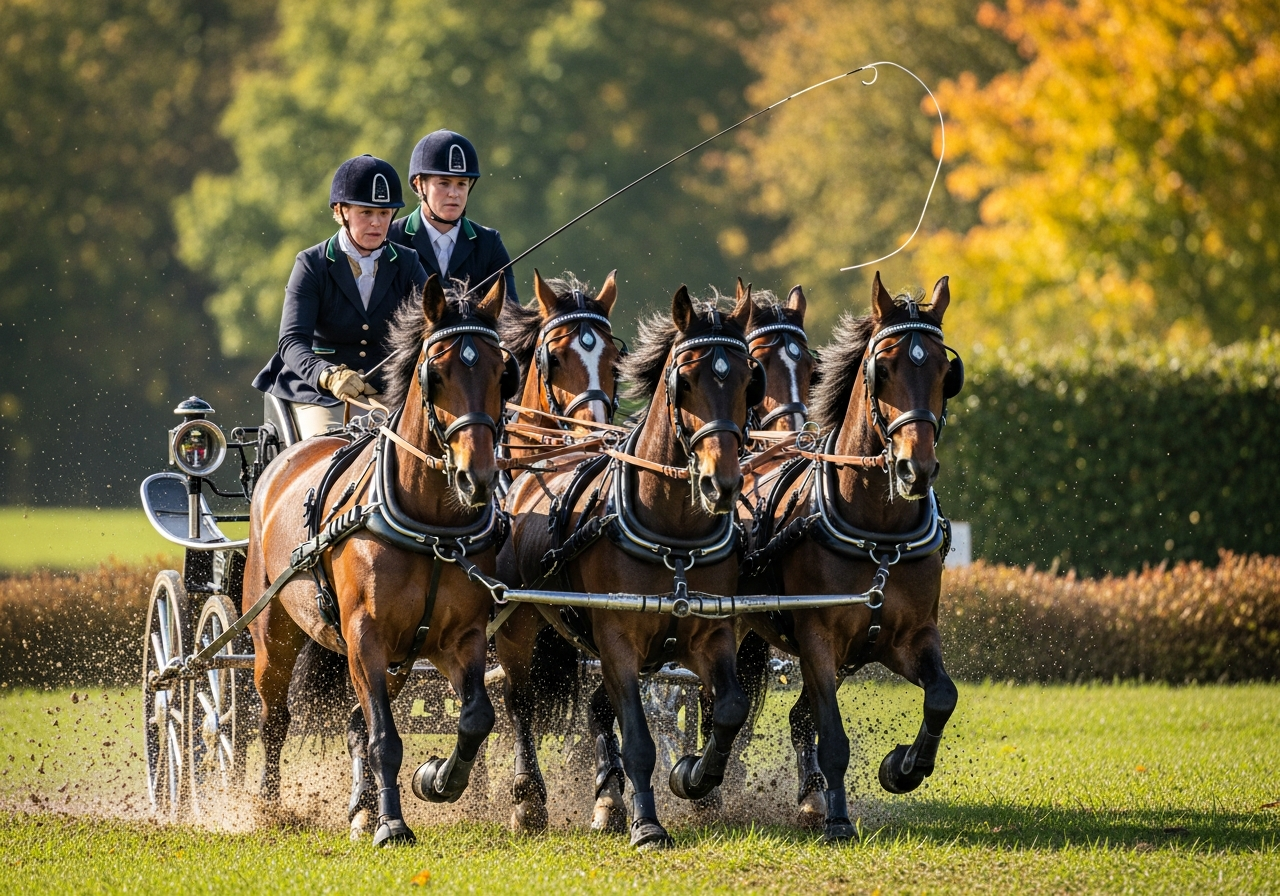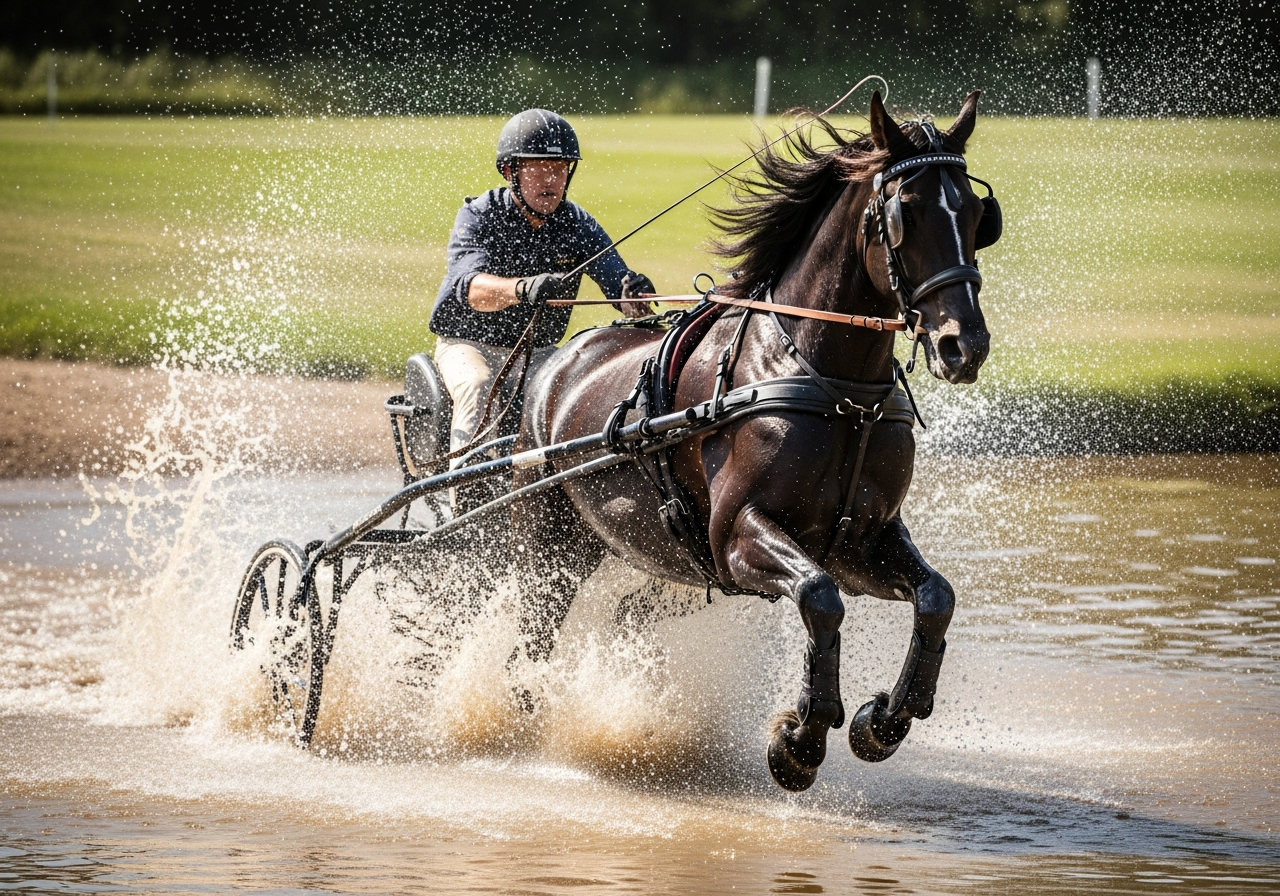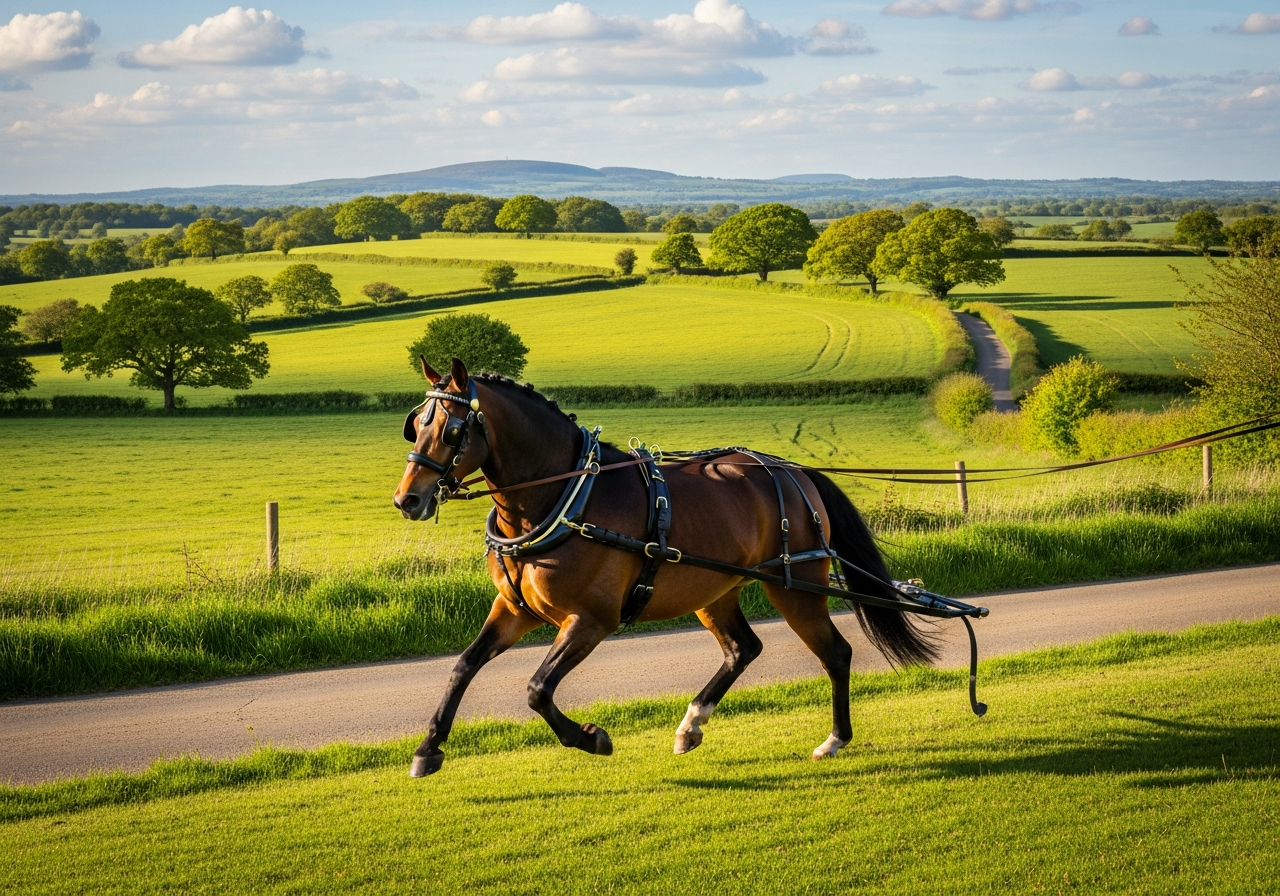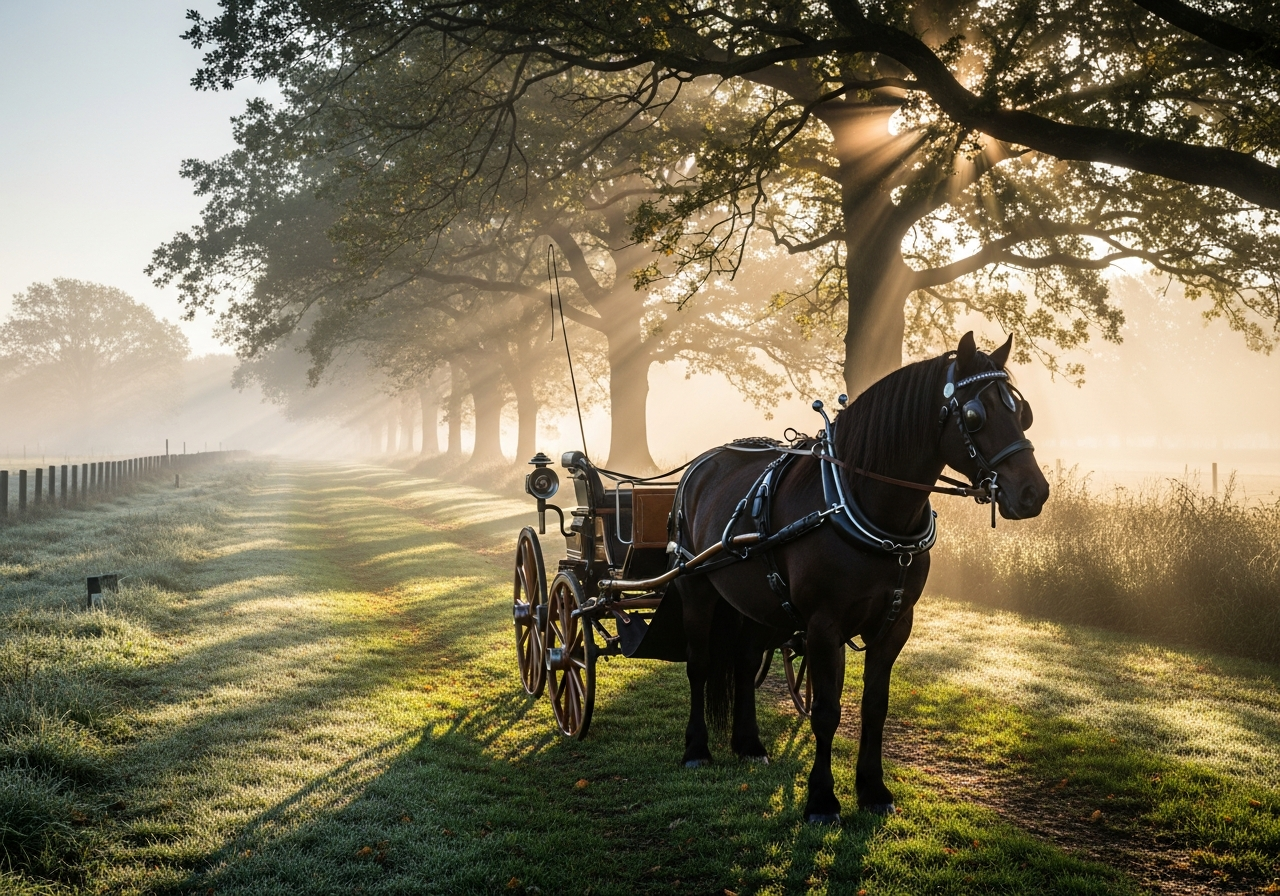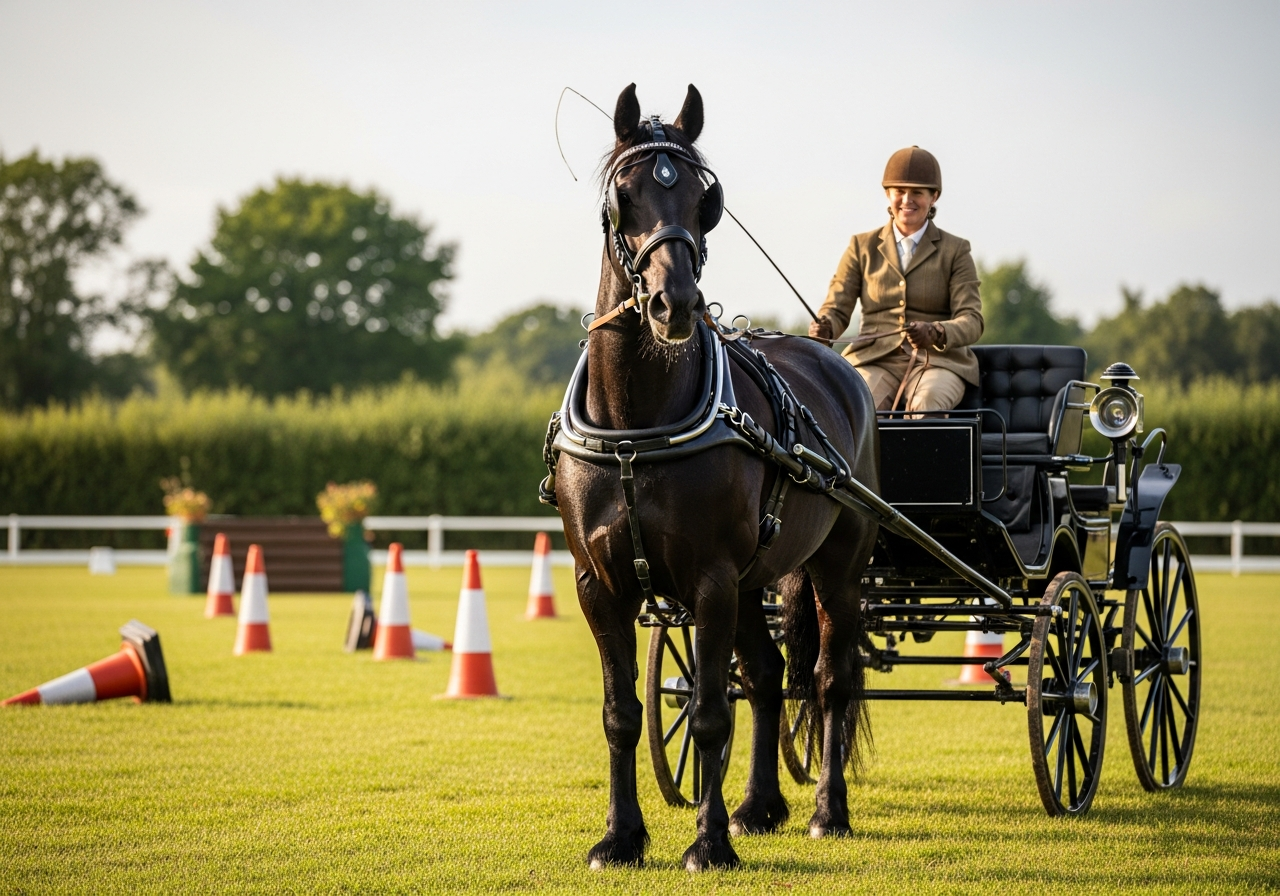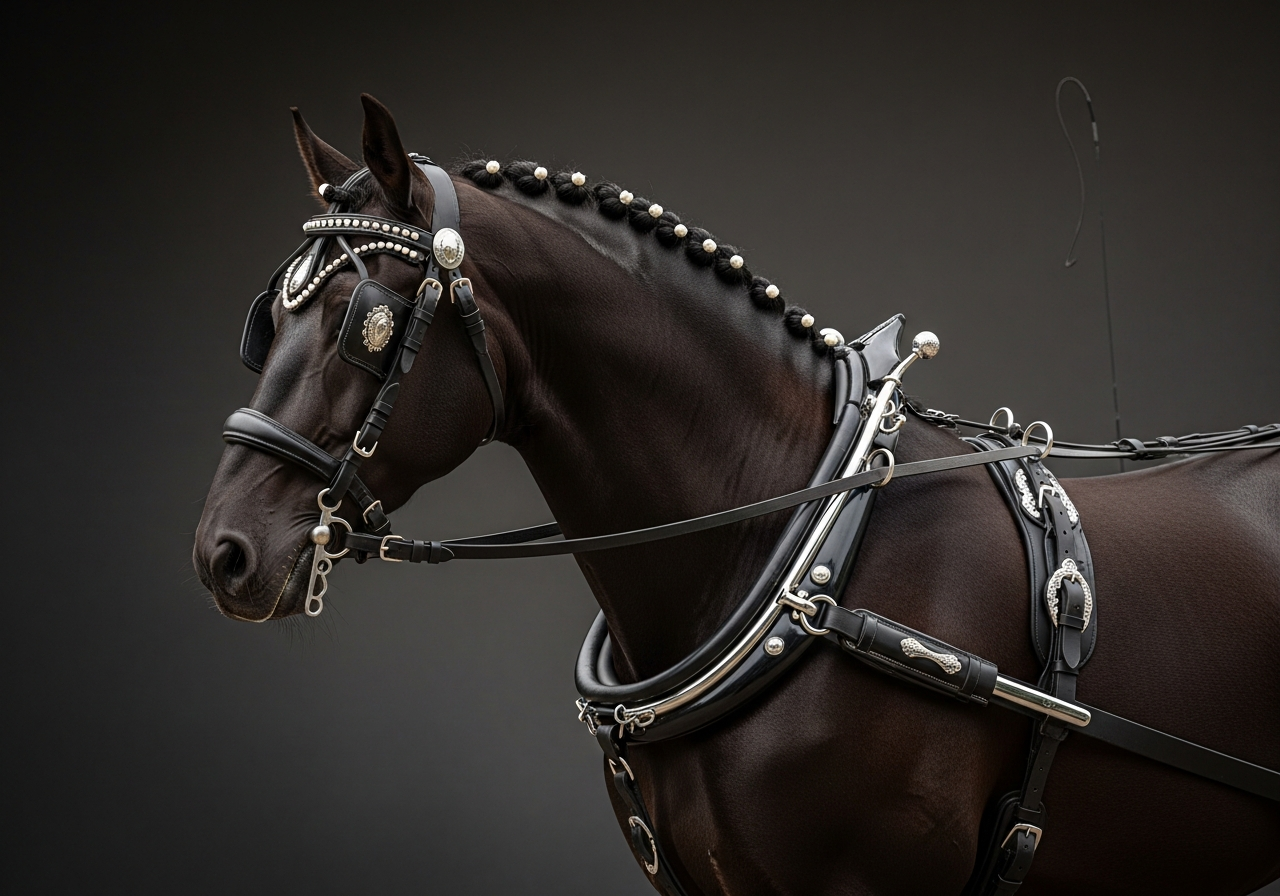
The right partner makes all the difference. Here's how to find the horse that will carry your driving ambitions safely and happily.
Choosing a horse for carriage driving is one of the most important decisions you'll make in the sport. Unlike riding, where the horse's movement is felt directly through the saddle, driving requires you to communicate entirely through the reins — making a horse's ground manners, mental steadiness and willingness to work in harness absolutely paramount.
Whether you're looking for a pleasure companion for quiet lanes or an ambitious competition partner, the key qualities remain largely the same: a genuine temperament, correct conformation, sound health, and ideally some experience in harness.
First-time buyer? Never purchase a horse for driving without taking an experienced driving friend or your trainer with you. A horse that looks ideal to an untrained eye may have hidden quirks or health issues that only become apparent to someone who knows what to look for.
Every good driving prospect shares these fundamental qualities, regardless of breed or size.
A carriage driving horse must be calm, sensible and traffic-proof. Unlike riding, you cannot quickly dismount in an emergency — a horse that spooks violently, is unpredictable near vehicles or has a history of bolting is genuinely dangerous in harness. Steadiness is not optional; it is the single most important quality.
A driving horse needs good, strong hindquarters to push the vehicle, correct shoulder angle for free movement, and a well-set neck to carry the collar effectively. Short, strong backs and good feet are essential. Extremes of conformation — very long backs, very upright pasterns — are red flags for long-term soundness.
Always commission a pre-purchase veterinary examination. Driving puts different stresses on the horse's body than riding — particularly on the hocks, stifles and feet. Conditions that might be manageable under saddle can be exacerbated by harness work. A five-stage vetting including X-rays of key joints is money well spent.
A horse that has already been broken to harness and driven regularly is far safer for a beginner than an untrained youngster. Look for horses with a verifiable history of harness work. Ask to see them put to and driven in all three paces before you decide. References from previous owners are invaluable.
In carriage driving, the horse's mental outlook is everything. A horse with a wonderful trot but a nervous, flighty temperament will be a constant source of anxiety — and danger. A horse with an average trot but a rock-solid, willing mind will bring you years of joy.
When you try a horse, spend as much time as possible assessing its behaviour away from the arena. Is it calm when lorries pass? Does it stand quietly while being harnessed? Does it wait patiently at the start of a drive? These small indicators reveal far more about a horse's character than a polished performance in a familiar school.
Look particularly for a horse that is comfortable being touched all over — especially around the head, ears and legs — as harness involves many more contact points than a saddle and bridle. A horse that is difficult to handle on the ground will be far more difficult in harness.
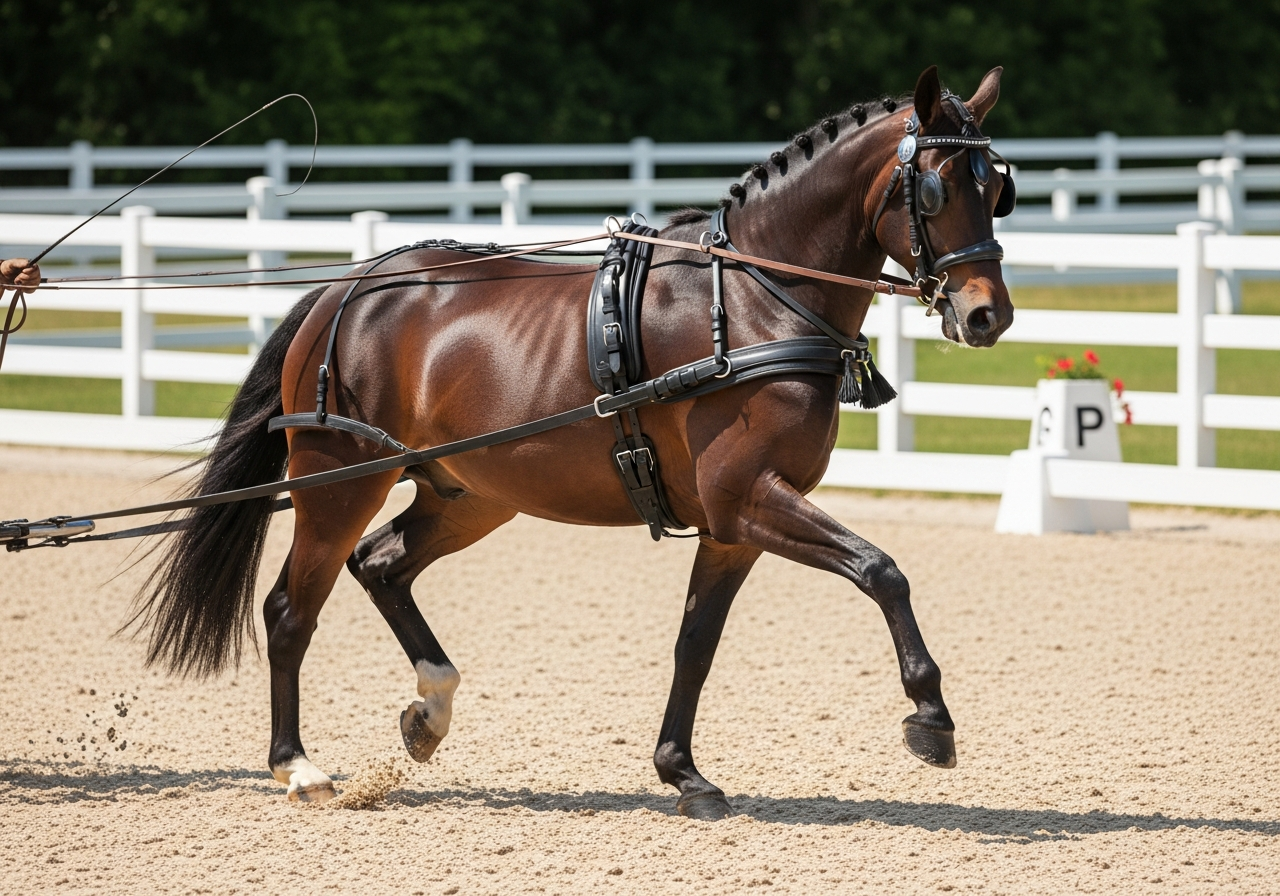
While any horse can theoretically be driven, these breeds have proven themselves time and again on the roads and in the arenas of British carriage driving.
The UK's most popular driving breed. The Welsh Cob combines spectacular movement with a kind, enthusiastic temperament. Powerful hindquarters give excellent stamina across all disciplines, and they are hardy enough to live out in most UK conditions. Equally at home in the show ring and across a marathon course.
The smaller Welsh sections are perfect for lighter drivers or those who prefer a pony over a horse. Elegant, free-moving and enormously popular in showing classes, they are also competitive in combined driving at pony level. Their gentle nature makes them an excellent first driving pony.
The Hackney was bred specifically for harness work and it shows. The extravagant, high-stepping action is breathtaking in the show ring. Hackneys are true showmen — alert, animated and utterly at home in front of a crowd. Not an ideal beginner's choice, but spectacular in the right hands.
Dutch, German and Belgian Warmbloods dominate international competition. Their correct, elastic movement gives high dressage scores and their athletic build makes them competitive across all phases. More expensive to buy and keep than native breeds, but the choice of serious competitors aiming for top-level results.
One of Britain's most ancient native breeds, the Fell Pony is extraordinarily tough. Bred to traverse the rough fells of Cumbria, they are sure-footed, hardy and capable of working in conditions that would stop other breeds in their tracks. Their marathon-running ability is legendary in the sport.
The cob type — stocky, sensible, short-backed — is arguably the ideal beginner's driving horse. Not defined by a particular breed, good cobs are found across many bloodlines. They tend to be kind, forgiving, and not easily spooked. Their robust constitution also keeps ongoing costs manageable.
Buy experience, not potential — at least to start. Training a horse to drive from scratch is a skilled, time-consuming and potentially dangerous undertaking. A youngster that hasn't been backed to harness requires a patient, experienced trainer and many months of careful groundwork before it's safe to put to. For beginners and early intermediates, a proven driving horse with a track record is always the safer, wiser choice — even if it costs more upfront. The money saved on training fees and the safety dividend more than compensates for a higher purchase price.
That said, if you are experienced and have access to a good trainer, producing a young horse in harness is enormously rewarding. Just be honest with yourself about your current skill level before you commit.
"The partnership between horse and driver is the heart of carriage driving. When you find the right horse — one that trusts you, works with you and brings its own character to every drive — you'll understand why people dedicate their lives to this sport."
Explore more of our guides to help you on your journey into carriage driving.