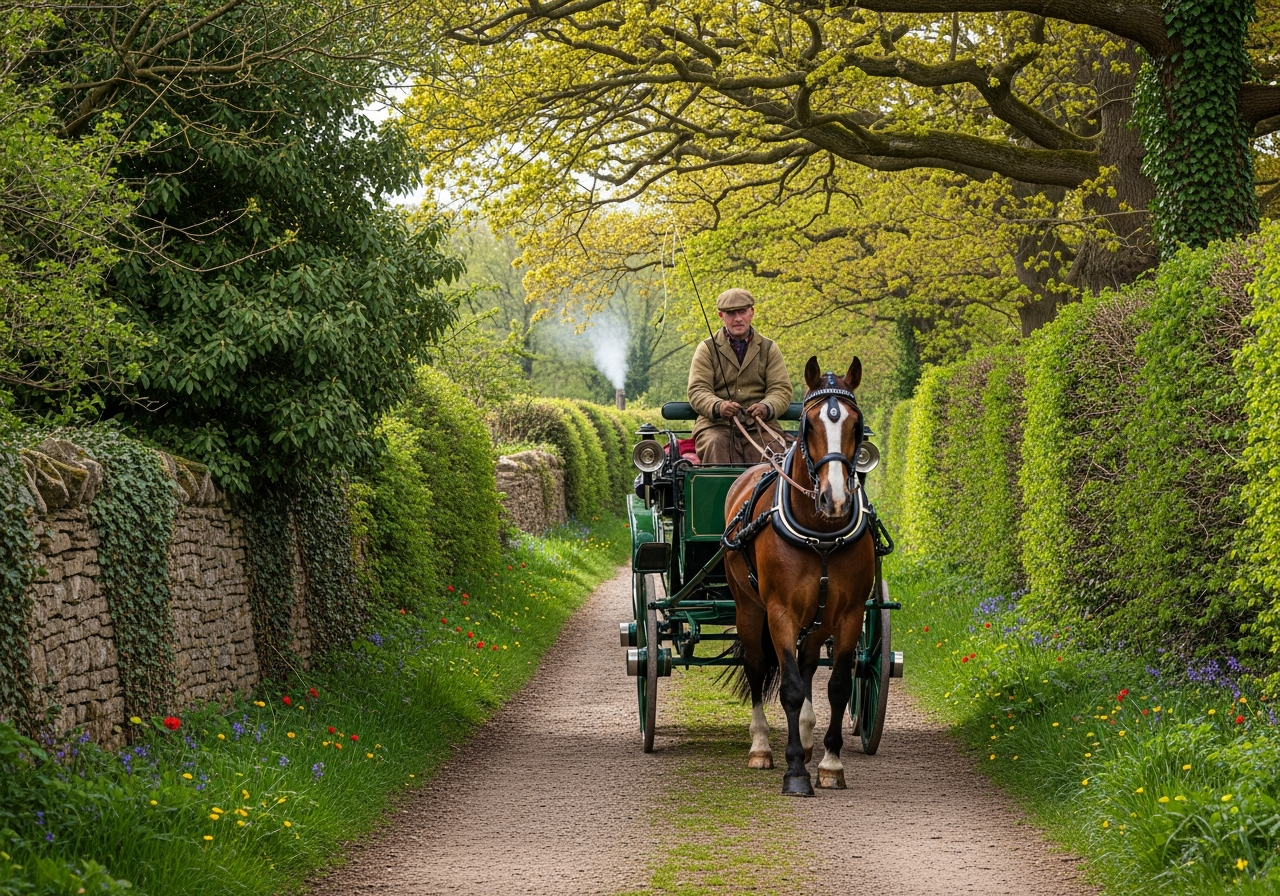
Your step-by-step guide to discovering one of equestrian sport's most rewarding disciplines.
Carriage driving is a sport that welcomes complete newcomers — you don't need a horse, you don't need equipment, and you certainly don't need any previous equestrian experience. Many of the sport's most passionate practitioners came to it later in life and found it utterly captivating. Here's how to get started.
Good news: Unlike riding, carriage driving presents a lower physical barrier to entry. People with mobility challenges, those who no longer feel confident in the saddle, or complete beginners to horses can all find a welcoming place in the driving world.
The best way to discover carriage driving is to try it. Many BDS-affiliated trainers and driving centres offer introductory sessions where you'll sit alongside an experienced driver and get a feel for holding the reins. Expect to pay £40–£80 for a 90-minute taster. Search the British Driving Society's trainer directory at bhs.org.uk or the BDS website.
The British Driving Society has over 60 affiliated regional groups across the UK. Club membership costs £30–£60 per year and gives you access to group drives, training days, social events and a network of experienced drivers who are invariably happy to share knowledge and advice.
Visit a local combined driving event or pleasure drive as a spectator before you compete. Seeing different classes — singles, pairs, tandems, and teams — in action will help you understand what discipline appeals to you and at what level you'd like to participate.
Once you've caught the bug, book a series of structured lessons. A good instructor will teach you to hold the reins correctly, communicate with the horse through your hands, and understand how to use the whip (an aid, never a punishment). Aim for at least six to ten lessons before considering driving alone.
Many beginners arrange a part-loan or share with an experienced driving horse owner. This lets you gain confidence and experience without the full cost and responsibility of ownership. When you're ready to buy, take an experienced driver with you and have a vet check carried out.
A carriage and full harness set is a significant investment. Many beginners borrow or hire equipment initially, or start by buying second-hand. Your instructor and local club are good sources of advice about what you need and where to find it at reasonable prices.
When you feel ready, enter a local show or pleasure drive. Most clubs run beginner-friendly novice classes and everyone remembers what it was like to start out — you'll find support and encouragement at every turn.
"The learning curve in driving is wonderful because there's always something new to master — and the horse keeps you honest."— A BDS Club Member, Yorkshire
How to find a BDS-qualified instructor near you and what to look for in a good driving coach.
Find a trainer
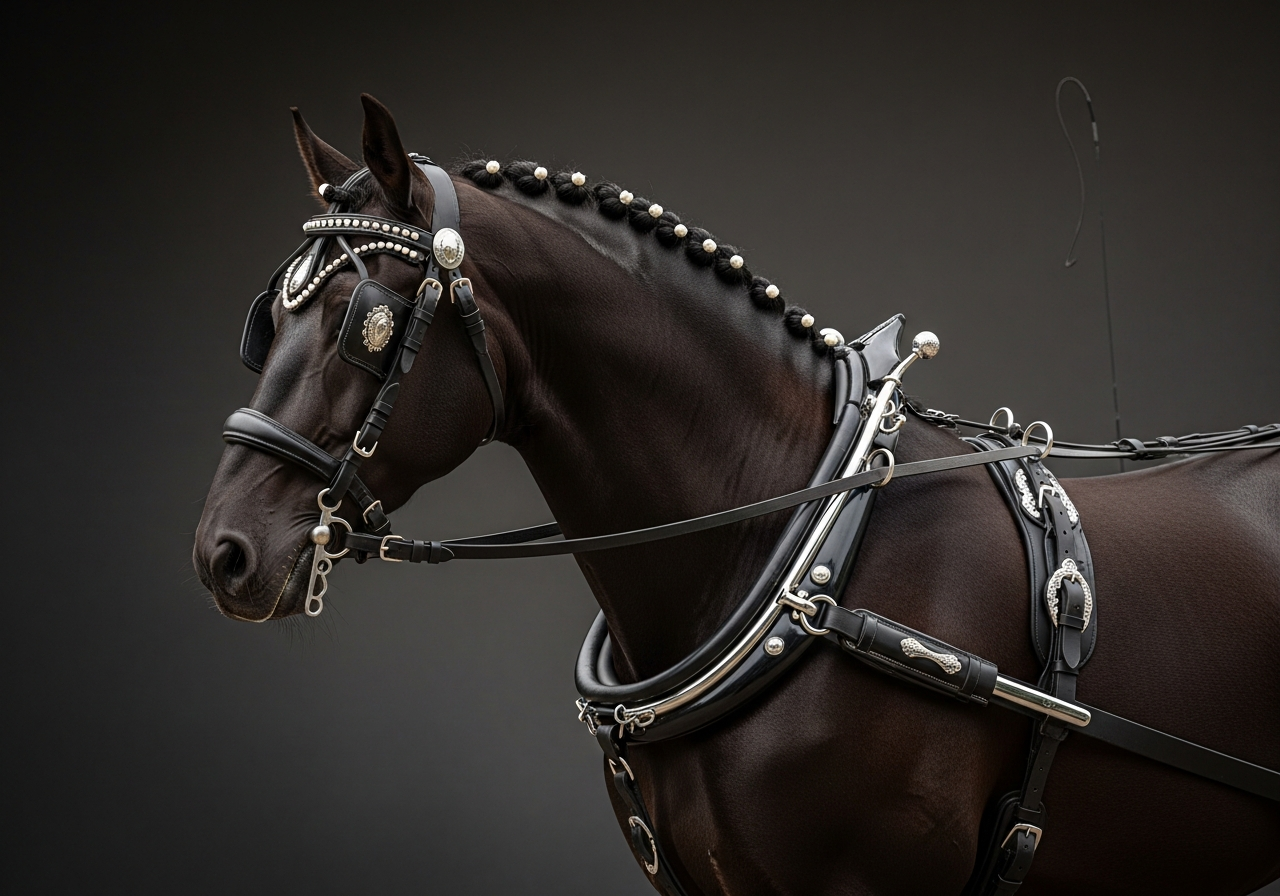
What to look for in a driving horse or pony — temperament, conformation, experience and breed suitability.
Horse buying guide
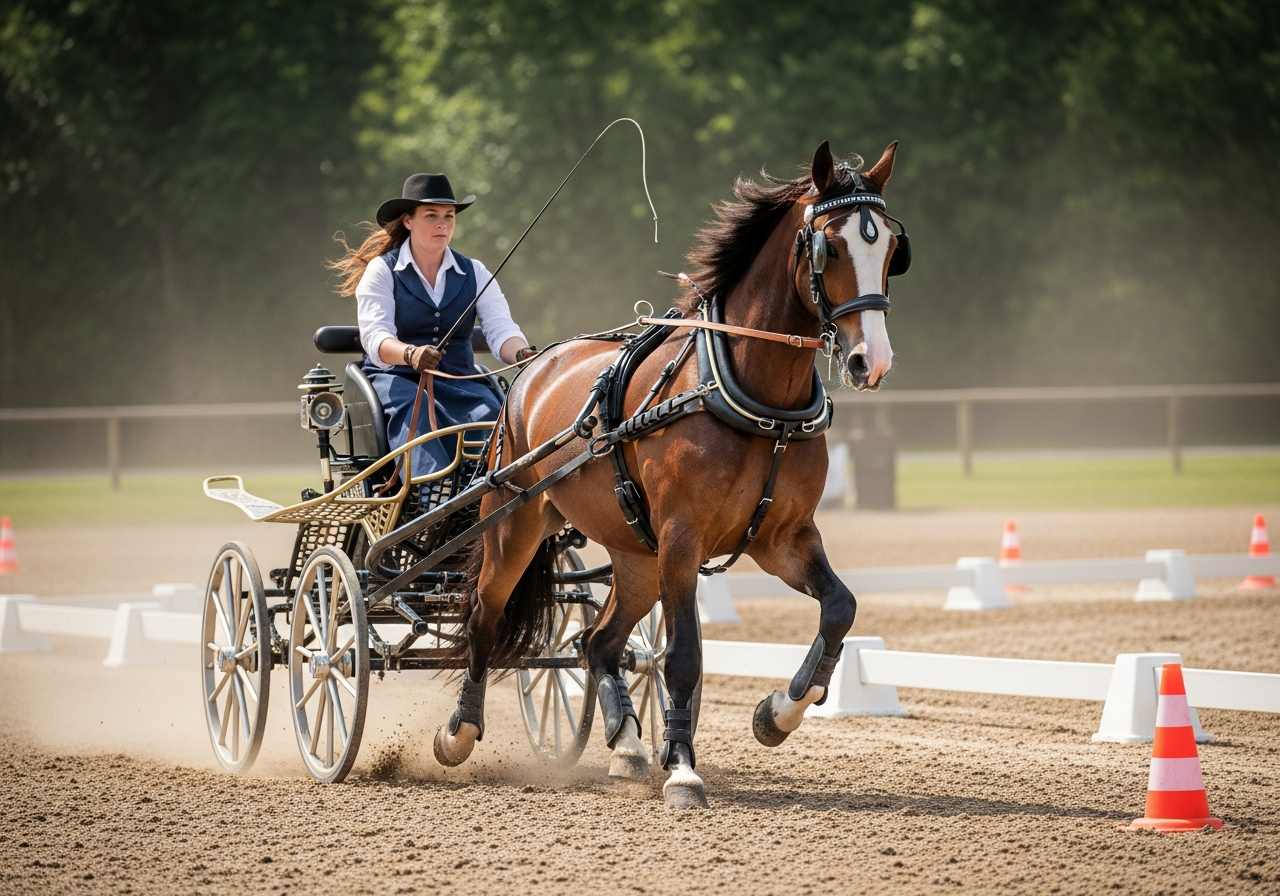
Harness, carriages, clothing and accessories — a practical guide to what you need and what to spend.
Equipment guide